SCORREVOLE 2

TOP NEWS ==== ZCZC TIPS 612 13/11 18.04 R.N.E. R1 - Lleida Catalano NX reg. Catalunya suff. 729 10/11 18.50 R.N.E. R1 - Alicante SS NX reg. Comun. Valenciana buono 729 11/11 18.45 ERT 1 - Athina Greco talk buono 828 11/11 23.20 R. Khavaran - Tabas Farsi talk suff. 918 10/11 22.40 R. Kerman - Jiroft Farsi talk suff. 927 16/11 10.15 Power 927 - Abbiategrasso IT Bande Rumorose ottimo 954 10/11 22.50 Country R. - Praha Ceco MX suff. 954 10/11 23.02 R. Onda Cero - Madrid SS ID e pubblicità locale buono 1035 10/11 16.05 Lyca Gold - London EE MX hindi buono 1071 11/11 05.10 Talk Sport - Newcastle EE talk suff. 1080 10/11 23.44 R. Huesca - SS ID e pubblicità locale ottimo 1125 11/11 18.04 R.N.E. R5 - Castellon SS NX reg. Comun. Valenciana buono 1134 12/11 00.00 R. Kuwait - Kabd Arabo NX suff. 1143 11/11 23.07 COPE - Jaen SS ID e pubblicità locale suff. 1188 12/11 14.10 Nemzetiségi Adások - Mix 2 TX Serbo talk buono 1215 13/11 18.50 COPE - Cordoba SS NX reg. Andalucia buono 1242 13/11 23.10 R. Oman - As Seeb Arabo MX buono 1269 12/11 17.52 COPE - Zamora SS ID e pubblicità locale suff. 1341 13/11 22.12 R. Onda Cero - Ciudad Real SS ID e pubblicità locale buono 1400 10/11 23.20 Harbour Light of the Windwards - Carriacou EE MX suff. 1440 14/11 22.25 Regional R. - Narni IT MX suff. 1449 16/11 10.31 R. Briscola - Lenta IT Bande Rumorose ( nuovo orario? ) ottimo 1476 10/11 16.10 Museum R. - Bad Ischl Tedesco MX suff. 1500 15/11 05.10 R. Eule - Munchen Tedesco talk suff. 1512 15/11 18.00 R. Ardabil - Azero MX buono 1566 10/11 17.55 R. Iran - Bam Farsi MX suff. 1575 16/11 09.30 R. Centrale Milano - IT Bande Rumorose ottimo 1584 12/11 23.13 R. Gandia - SS ID e pubblicità locale buono 1602 14/11 23.14 R. Ontinyent - SS ID e pubblicità locale suff. 1611 10/11 17.30 R. Al Capone - Dutch MX suff. 1620 10/11 17.45 Ros AM - Dutch MX buono 1620 11/11 17.45 R. Goulden Ster - Dutch MX suff. 1620 12/11 17.00 R. Alabama - Dutch MX buono 1629 10/11 22.45 R. Bluebird - Dutch MX ottimo 1629 13/11 17.40 R. Marconist - Dutch MX buono 1635 11/11 17.50 R. Bonanza - Dutch MX buono 1638 9/11 22.10 R. Helical - Dutch MX buono 1638 12/11 22.15 R. Batavier - Dutch MX buono 1647 13/11 18.30 R. Moonbreaker - Dutch ID e MX buono 1647 14/11 22.30 R. Ronalisa - Dutch MX buono 1660 9/11 22.15 Technical Man - Dutch MX ottimo 1665 10/11 17.50 R. Digital - Dutch MX ottimo 3940 15/10 23.05 Music Waves R. - Russo MX buono 4775 9/11 22.55 R. Tarma - SS MX ottimo 4848 12/11 19.00 R. JVG - EE MX buono 4860 9/11 17.15 R. ContiKenzo - MX // a 5800 KHz ottimo 4870 15/11 17.40 R. 60 - EE ID e MX // a 4880 e 5800 KHz buono 5855 13/11 17.30 Mike R. - EE MX ottimo 6060 14/11 17.45 R. Casanova - Winterswijk EE MX buono 6140 14/11 18.00 R. Onda - Borculo PP ID e MX ottimo 6180 11/11 23.00 R. Nac. Amazonas - Brasilia PP NX buono 6210 15/11 17.45 R. King SW - EE MX buono 6280 14/11 17.40 R. Batavia - EE MX buono 6290 10/11 16.45 R. Billy Beun - EE MX suff. 6300 14/11 17.50 R. Lowland - EE MX buono 6325 15/11 17.50 Weekend Music R. - EE MX buono 6340 15/11 17.55 Merseyland Alternative R. - EE MX buono 6830 10/11 17.40 R. Zeppelin - EE MX buono 6875 16/11 10.35 R. Europe - IT MX ottimo 7390 12/11 14.25 R. New Zeland Int. - Wellington EE talk suff. 7400 9/11 16.00 Marconi R. Int. - IT MX buono 9665 12/11 22.10 Voz Missionaria - Camboriu PP talk buono 9930 13/11 12.45 Hope R. - Palau EE talk suff. 10000 10/11 13.50 Italcable - Viareggio IT MX e ora buono 11825 12/11 14.20 Reach Beyond - Kununurra Birmano talk suff. NNNN ----

2023-08-16

QSL FROM RTM WAI LIMBANG FM 11665 KHz


QSL super rapida dalla Malesia. RTM WAI ha confermato in 27 minuti un rapporto d'ascolto relativo alla frequenza di 11665 KHz da Kajang che ripete in onde corte i programmi di RTM WAI Limbang. Rapporto d'ascolto inviato all'indirizzo email 

              pnk_rtmkajang@rtm.gov.my . V/S Mohd Fauzi Bin Ali Hassan .


Super fast QSL from Malaysia. RTM WAI confirmed within 27 minutes an audience report on the 11665 KHz frequency from Kajang which repeats RTM WAI Limbang's programs on shortwave. Listening report sent to email address;

pnk_rtmkajang@rtm.gov.my . V/S Mohd Fauzi Bin Ali Hassan .


RTM WAI LIMBANG FM 11665 KHz
 

AUDIOCLIP. LISTENING TO MARCONI RADIO INTERNATIONAL 6180 KHz


Ponte di Ferragosto con Marconi Radio International che ha prodotto e diffuso un programma di trenta minuti su questa festività che è tra le più amate dagli Italiani. Questa volta la trasmissione è stata diffusa sulla frequenza dei 6180 KHz, con 100 watt di potenza e sempre con modulazione USB. La qualità del segnale ricevuto non è stata particolarmente buona ma senza problemi nell' identificazione e nella fruizione dei  contenuti con segmenti di ascolto decisamente migliori. Quelli che vi proponiamo sono i primi minuti della trasmissione diffusa a partire dalle 17.30 UTC del 14 agosto 2023.


MARCONI RADIO INTRENATIONAL 6180 KHz USB


Ferragosto bridge with Marconi Radio International which produced and broadcast a thirty-minute program on this holiday which is one of the most loved by Italians. This time the transmission was broadcast on the 6180 KHz frequency, with 100 watts of power and always with USB modulation. The quality of the signal received was not particularly good but there were no problems in identifying and using the contents with decidedly better listening segments. What we offer you are the first minutes of the broadcast starting at 17.30 UTC on August 14, 2023.

2023-08-15

LISTENING LIST


540 11/8  04.00 SNRT Al idaà Al-Watania, Marrakech, AA preghiera, id. buono 

540 11/8  20.55 Radio Onda Cero Catalogna, Barcellona, SS, pubblicità, identificazione, suff/buono

549 11/8  04.05 Jil FM, Sidi Hamadouche, AA, musica, id. suff. mix con R. Koper

630 11/8 20.00  Radio Timisoara, romeno, musica popolare, suff/buono

630 15/8 15.00 Radio Nationale, Tunisi, AA, news, ottimo

675 11/8 20.30  Radio Qatar, Al Harish, AA, musica, suff/buono

720 11/8 20.20  Radio Antena 1, PP, partita di calcio Braga vs Familiacao, suff

729 10/8 19.39 ERT 1 Atene, greco, musica + id, "Proto programma" suff/buono

891 7/7 04.35 Radio Algeria Int. SS, commento politico, suff. //531

963 7/8 13.40 Radio Tunisi C. Int. II, musica, commenti, suff

963 11/8 22.15  CyBC Proto Programma, Nicosia, greco, musica, suff. per alcuni minuti, mix con R,Tunisi

999 19/7 03.58 COPE Madrid, SS, id. + news, buono

1035 8/7 21.05 Lyca Gold, musica + id, suff

1089 13/7 04.00  Radio Coran, Adrar, AA, preghiera del mattino, suff.

1386 13/8 22.30 R. Ukraine Int. via BWI, ukr. commenti, suff/buono

1467 13/8 22.10 SBA Radio Riyadh, AA, musica  ins/suff

3955 11/8 19.59 Radio Channel 292 Rohrbach, musica, buono

4765 8/8 04.00 Radio  Progreso, Cuba, SS, id. + end tx, buono

4775 13/8 01.22 Radio Tarma, SS, musica, ins QRM ute

4840 10/8 04.17 WWCR Nashville, EE, predica+questua, suff/buono 

4885 10/8 04.15 Radio Clube do Parà, PP, music,id, suff con QSB

4985 9/8 04.22 Radio Brasil central, PP, musica, suff. // 11815 

5050 10/8 04.00 WRMI Miami, EE, end tx + id, suff

5995 11/8 22.44 R. Mali, Bamako, FF, musica, buono

6050 6/8 02.43 HCJB Quito, SS, Musica, suff.

6065 8/8  03.30 AWR via Madagascar, Malayam, predica + musica, suff/buono

6070 8/8 04.05 CFRX Toronto, EE, talks, suff con QSB

6130 13/7 20.15 Radio Europe, Netherlands, musica, id. buono

6160 11/8 19.50 Shortwave Radio, Winsen, EE, oldiesm + id. buono

6180 6/8 03.30 World Christian Broad. via Madagascar, Somalo,, predica + gospel, buono

6180 11/8  22.40 Radio Nacional da Amazonia, Brasilia, PP, notizie, commenti, buono

6180 14/8 17.20 Marconi Radio Int. II, speciale ferragosto, USB, suff.

6240 9/8 17.40 UNID Pirate, musica country, buono

7750U 11/8 19.41 Warsan Radio, Baidoa Somaliland, somalo, conversazione, ins/suff

9100 14/8 04.15 HAARP , Gakona, Alaska, cw message, suff.

11665 11/8 23.05 RTM WAI Limbang FM, Kajang, malayam, commenti, suff/buono

15476U 12/8 19.45 LRA 36 R.N. Arcangel San Gabriel, Antartide, SS, commenti, buono

15770 10/8 12.30 RAE via WRMI, II, Nx sportive + loop annuncio multilingue, ins.

25800 9/7 16.30 World  Music Radio, musica etnica, buono


HAARP 2023 SOUNDS FROM GHOSTS ON THE AIR GLOW


Come da programma  nelle nostre prime ore del giorno del 14 agosto 2023 so è svolto l'esperimento di trasmissione di immagini e suoni attraverso la ionosfera concepito dall'artista Amanda Dawn Christie ed effettuato utilizzando i trasmettitori dell'HAARP di Gakona, Alaska. Una vera e propria suite multimediale con l'utilizzo di diversi sistemi di trasmissione su diverse frequenze in onde corte. Vi proponiamo una breve sintesi di quanto siamo riusciti ad ascoltare via radio. I dettagli della trasmissione li abbiano gi illustrati in un nostro PRECEDENTE POST .

MESSAGGIO IN CW SU 9100 KHz


HAARP, SUONI SU 5260 KHz


HAARP, SUONI SU 9600 KHz


HAARP,  FRASE FINALE SU 7400 KHz


As scheduled in our early hours of August 14, 2023, the experiment of transmitting images and sounds through the ionosphere conceived by artist Amanda Dawn Christie and carried out using the HAARP transmitters of Gakona, Alaska was carried out. A real multimedia suite with the use of different transmission systems on different shortwave frequencies. We offer you a brief summary of what we were able to listen to on the radio. The details of the transmission have already been illustrated in our PREVIOUS POST.


2023-08-12

LISTENING TO CYPRUS BROADCASTING CORPORATION 963 KHz


Nella notte del 12 agosto, per la prima volta nel mio QTH, sono riuscito ad ascoltare per qualche minuto il Primo Programma della radio greco cipriota CyBC sull'onda media dei 963 KHz. Questa frequenza è utilizzata h24 da Radio Tunisi Canale Internazionale che nel mio QTH è prevalente per l'intero arco della giornata. Verso le 23 UTC però, in concomitanza con un notiziario in lingua francese, in sottofondo si ascoltava musica inconfondibilmente greca. Un rapido controllo sullo streaming dell'emittente ha confermato che si trattava proprio dell'emittente cipriota che per qualche minuto è stata addirittura prevalente sul canale.

CyBC PROTO PROGRAMMA 963 KHz


On the night of August 12, for the first time in my QTH, I was able to listen for a few minutes to the First Program of the Greek Cypriot radio CyBC on the medium wave of 963 KHz. This frequency is used 24 hours a day by Radio Tunisi International Channel which in my QTH is prevalent throughout the day. However, around 23 UTC, in conjunction with a French-language news programme, unmistakably Greek music was heard in the background. A quick check on the broadcaster's stream confirmed that it was indeed the Cypriot broadcaster which was even prevalent on the channel for a few minutes.


Veduta aerea degli impianti della CyBC (anno 1970)


UNA BREVE STORIA DI CyBC TRATTA DAL SITO DELL'EMITTENTE


The Cyprus Broadcasting Corporation(CyBC) is the successor of the Cyprus Broadcasting Service (CBS), which was founded in 1953 by the then British Colonial Administration of Cyprus. The Cypriot Television has been operating experimentally since 1957.

Following the independence of Cyprus and the establishment of the Republic of Cyprus in 1960, the Cyprus Broadcasting Service was renamed Cyprus Broadcasting Corporation and since then has been operating as a semi-governmental organization.

In 1974, CyBC suffered a heavy blow to its facilities due to the Turkish invasion and the continued occupation of about 38% of the territory of Cyprus (loss of the central relay station in the Pentadaktylos mountain range, loss of other substations etc). 1974, however, was also the beginning of the rapid development of CyBC both in radio as well as television.

In 1982, the black & white TV productions became colored and since 2011 the analogue transmission signal has become digital.

CyBC today operates:

a) Four radio channels (First, Second, Third and Classic).

b) Three television channels (CyBC1, CyBC2, CyBC HD) as well as a satellite channel (CyBC Sat).

The CyBC is an active member of international Broadcasting Organizations such as EBU, CIRCOM, COPEAM. It has a rich archive and also operates a museum of audiovisual technology, housed in a contemporary building on the premises of the corporation.


2023-08-10

LA TRASMISSIONE IN ITALIANO DI RAE, RADIO ARGENTINA AL MONDO. 15770 KHz


Finalmente la trasmissione in italiano della RAE, ripetuta attraverso i trasmettitori di WRMI in Florida, sembra aver trovato un assetto definitivo, anche se per ora i risultati d'ascolto sono piuttosto deludenti a causa della scarsa qualità del segnale ricevuto in Italia. Lo schedule comunicato dal provider di Miami prevede una trasmissione giornaliera della durata di 1 ora, dal lunedi al venerdi, a partire dalle ore 12.00 UTC sulla frequenza di 15770 KHz, I monitoraggi fin effettuati confermano la presenza della trasmissione in italiano in questa fascia oraria, ma la qualità del segnale è davvero scadente. La frequenza utilizzata si presta particolarmente ad essere ricevuta in Italia durante le ore del mattino quando vengono messe in onda le interminabili prediche di Overcomer Ministry ma già nella tarda mattina è ben difficile ascoltare qualcosa di qualitativamente accettabile compresa la trasmissione in lingua italiana. Qualcosa arriva, ma si riesce solamente a fare un confronto tra quel poco che si ascolta e lo streaming web della trasmissione o con qualche ricevitore web in remoto situato in posizione più  favorevole come quello in Portogallo attraverso il quale è stata effettuata questa registrazione degli ultimi minuti di trasmissione con la lettura delle notizie sportive seguito dall'annuncio multilingue della RAE, che, occorre rilevare, viene ripetuto in loop per circa 20 minuti. Evidentemente il lavoro di redazione non riesce a coprire l'intera ora di trasmissione giornaliera prevista. In conclusione, dopo i problemi di allocazione della trasmissione, ancora non è possibile fruire di un ascolto di sufficiente qualità, cosa questa che avverrebbe anticipando di qualche ora la trasmissione, ma evidentemente a Miami le intenzioni sono altre.

RAE - RADIO ARGENTINA AL MONDO VIA WRMI 15770 KHz (VIA KIWI SDR PORTOGALLO)


2023-08-09

AUDIOCLIP. ID. OF RADIO PROGRESO, CUBA, 4765 KHz


Radio Progreso da Cuba trasmette in onde corte, con 50 KW, dal sito di Bejucal,  sulla frequenza di 4765 KHz. In Europa si ascolta con buona qualità di segnale nelle ore notturne fino a poco prima dell'alba.  Questo è il suo annuncio di identificazione prima della chiusura delle trasmissioni del giorno 7 agosto 2023 alle 3.55 UTC. 

RADIO PROGRESO, 4765 KHz. IDENTIFICAZIONE


Radio Progreso da Cuba broadcasts on shortwave, with 50 kW, from the Bejucal site, on the frequency of 4765 KHz. In Europe, the signal quality is good at night until just before dawn. This is your identification announcement prior to the close of broadcasting on August 7, 2023 at 3.55 UTC.

ALEXANDERSON DAY 2023, QSL FROM SAQ GRIMETON RADIO 17.2 KHz


SAQ Grimeton Radio conferma con e qsl, in 30 giorni, un rapporto d'ascolto inviato attraverso il form sul sito dell'Associazione.


SAQ Grimeton Radio confirms with e-QSL, in 30 days, a listening report sent through the form on the Association's website.

2023-08-08

RAI INTERNATIONAL VINTAGE STICKER


Tra le tante scartoffie accumulate nel corso degli anni ho ritrovato questo vecchio adesivo della DIREZIONE SERVIZI GIORNALISTICI E PROGRAMMI PER L'ESTERO (Poi RAI INTERNATIONAL) della RAI. Purtroppo non è in perfette condizioni ma mantiene intatto il suo fascino per un periodo quando il nostro broadcaster pubblico utilizzava ancora le onde corte ed aveva una sua programmazione (piuttosto trascurata negli ultimi anni) per l'estero. 

Among the many paperwork accumulated over the years, I found this old sticker from the DIRECTION OF JOURNALISTIC SERVICES AND FOREIGN PROGRAMS (later RAI INTERNATIONAL) of RAI. Unfortunately it's not in perfect condition but it keeps its charm intact for a period when our public broadcaster still used shortwave and had its own programming (rather neglected in recent years) for foreign countries.


"GHOSTS IN THE AIR GLOW", NEW HAARP EXPERIMENT FROM AUGUST 14th


On August 14, 2023 from 03:30–04:30 UTC (Aug 13, 23:30 EDT), interdisciplinary artist Amanda Dawn Christie will transmit the final composition of Ghosts in the Air Glow, an artwork developed for the ionospheric research instrument at the University of Alaska Fairbanks' Geophysical Institute High-frequency Active Auroral Research Program (HAARP). This third and final transmission will be the capstone of Christie's five-year self-directed residency at the facility, wherein the artist treats HAARP as a musical instrument as much as a scientific one, using its unique capabilities to entangle space science experiments with works of art.

In one movement of Ghosts in the Air Glow, Christie uses the ionosphere like a giant mixing board to blend the radio frequencies of two different saxophone tracks together before they ricochet back down to earth on a single frequency. Other movements are modeled after airglow experiments that use high-frequency radio waves to generate artificial aurora. Her compositions by her are only considered complete artworks once they are received by radio on the ground after having ascended to and descended from the ionosphere. Christie states:

“The interference, distortion, and modifications made by the ionosphere are an important part of the artwork's aesthetic. In fact, I see the ionosphere's contribution to the artwork to be just as important as my own. You never know what you're going to get, and the results are different depending on where on the planet you receive the transmissions."

As a citizen science experiment, shortwave listeners from around the world are encouraged to tune in, then upload audio and video recordings of their receptions to an online repository. Reception reports for Compositions No. 1–2 have been received from Brazil, Germany, Australia, American Samoa, and Japan, as well as more than 20 additional countries. For the general public, a version of the transmission is live streamed on the project's website.

Composition No. 1, containing SSTV images and audio works, was transmitted in March 2019. Composition No. 2 expanded these media to include NBTV video, and was transmitted in October 2022. For Composition No. 3, Christie has invited contributions from other artists including, Vladyslav Atavin, Vladimir Atavin, José Alejandro Rivera, Sarah Nance, Rasu-Yong Tugen, Geneviève D'Ortun, and T. D. Walker.

Ghosts in the Air Glow is generously supported by the Canada Council for the Arts; the third and final part of Christie's residency is additionally supported by the Arts Board of New Brunswick. For more information on Ghosts in the Air Glow, including past reception reports for Compositions No. 1–2 and upcoming information regarding times and frequencies of Composition No. 3, see: https://ghostsintheairglow.space/

The High-frequency Active Auroral Research Program, or HAARP, is a scientific endeavor aimed at studying the properties and behavior of the ionosphere. "The ionosphere stretches roughly 50 to 400 miles above Earth's surface, right at the edge of space. Along with the neutral upper atmosphere, the ionosphere forms the boundary between Earth's lower atmosphere — where we live and breathe — and the vacuum of space." (NASA) For more information on HAARP, see: https://haarp.gi.alaska.edu/

Press contact: amanda@amandadawnchristie.ca

Sat, 07/29/2023 - 18:05

Composition No. 3 will be transmitted as part of the August 2023 experiment campaign and PARS summer school. For Composition No. 3, Christie has invited contributions from other artists including, Vladyslav Atavin, Vladimir Atavin, José Alejandro Rivera, Sarah Nance, Rasu-Yong Tugen, Geneviève D'Ortun, and T. D. Walker.

Composition No. 3 is a full hour long involving multiple frequencies and will be transmitted only once: UTC - August 14, 03:30-04:30 -UTC.

A condensed schedule of times and frequencies is posted at the top of this page. If you scroll down further there is detailed information on each movement.


August 14, 2023, 03:30-4:30 UTC

XXI. 03:30:00 - 03:35:00 (9.1 MHz; 9.6 MHz)

XXII. 03:35:30 - 03:42:00 (9.1 MHz; 9.6 MHz)

XXIII. 03:42:30 - 03:50:00 (9.8 MHz)

XXIV. 03:50:30 - 03:52:30 (9.8 MHz)

XXV. 03:53:00 - 03:58:00 (9.1MHz; 9.6MHz)

XXVI. 03:58:30 - 04:03:30 (9.1 MHz; 9.6 MHz)

XXVII. 04:04:00 - 04:20:00 (TBC MHz)

XXVIII. 04:20:30 - 04:25:30 (Frequency Sweeping between 5.22 and 5.3 MHz)

XXIX. 04:26:00 - 04:27:(5.2MHz)

XXX. 04:27:30 - 04:29:30 (9.1MHz; 9.6MHz)

SOURCE: https://ghostsintheairglow.space/

2023-08-02

SPECIAL QSL CARD FROM RADIO TAIWAN INTERNATIONAL


Radio Taiwan International conferma in 32 giorni un rapporto d'ascolto relativo alle trasmissioni test in lingua francese del primo luglio 2023 sulle frequenze di 11995 e 9545 KHz. Il rapporto d'ascolto è stato  inviato attraverso il form presente sulla pagina web dell'emittente,

Radio Taiwan International confirms in 32 days an audience report for the French-language test broadcasts of July 1, 2023 on the frequencies of 11995 and 9545 KHz. The audience report was sent using the form on the broadcaster's web page,

2023-07-19

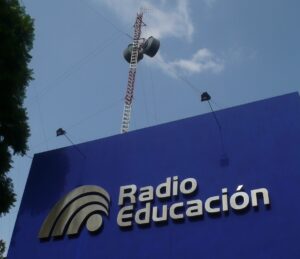
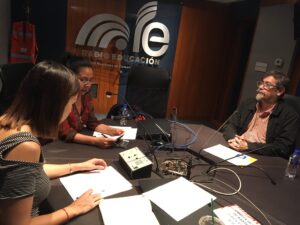
RADIO EDUCACION, UNA EMITTENTE AL SERVIZIO DELLA CULTURA MESSICANA


MESSICO 1924, UN FUNZIONARIO PUBBLICO LUNGIMIRANTE PROMUOVE UNA DELLE PRIME RADIO AL MONDO DEDICATE ALLA CULTURA E ALL'EDUCAZIONE. QUASI 100 ANNI DOPO IL LAVORO INIZIATO DA JOSE' VASCONCELOS CONTINUA CON RADIO EDUCACION. 

Il 3 novembre 1924, su iniziativa dell'allora Segretario alla Pubblica Istruzione, José Vasconcelos, fu creata Radio Educación, realtà strettamente legata all'opera riformista e visionaria dello stesso Vasconcelos. La creazione di detta istituzione aveva lo scopo di sfruttare le potenzialità della radio a beneficio dei compiti educativi e culturali del Paese. La stazione radio ha iniziato a trasmettere con l'inaugurazione del presidente Plutarco Elías Calles, con l'acronimo CYE .  

Radio Educación ha superato vari problemi  derivati ​​da eventi politici e amministrativi, come interruzioni del segnale, cambiamenti di sigle e frequenze, riprendendo le attività in un nuovo ciclo il 23 novembre 1968. La stazione ha ripreso le sue trasmissioni con un team tecnico ridotto ed è andata in onda sull'onda media di 1060 KHz  con il call l'acronimo XEEP. E' così che è diventata una scuola radiofonica, un generatore di tendenze e avanguardie nella radiodiffusione.


Per quanto riguarda i temi della sua programmazione, spiccano: letteratura, genere, tecnologia, salute, diritti umani, sessualità, cinema, teatro, musica, educazione, società, ecologia, cultura, personalità, cronaca, media e politica. Oltre a caratterizzarsi per dare voce a gruppi, organizzazioni, artisti e aprire un dibattito pubblico a cause di movimenti sociali, interesse sociale e difesa dei diritti  umani.


Attualmente, Radio Educación mantiene il suo obiettivo con nuovi programmi, come la serie Historia viva. La voce del popolo del Messico. Nuovissimo, è una collaborazione con l'Istituto Nazionale di Studi Storici delle Rivoluzioni del Messico (INHERM), in cui le grandi trasformazioni del paese saranno svelate attraverso i suoi protagonisti. Con l'obiettivo di risvegliare nel giovane pubblico la gioia e l'interesse per la storia del Messico, i processi storici che governano i pensieri del Messico oggi saranno ricreati nella mente sociale. Con la storia vivente. La voce del popolo del Messico, Radio Educación in collaborazione con l'INEHRM promuove la conservazione del patrimonio storico culturale diffondendo gli eventi determinanti dei cambiamenti nella nostra storia, così come nella società, segnano gli assi di lavoro del Ministero della Cultura , oltre ad avanzare nei loro obiettivi producendo programmi con temi diversi che soddisfano l'interesse dei loro ascoltatori.  
 
            
Questa emittente radiofonica è un servizio pubblico, a carattere culturale ed educativo. Produce, trasmette e promuove una programmazione di qualità che allo stesso tempo contribuisce alla costruzione della cittadinanza, cioè favorisce il dialogo interculturale. Oggi, Radio Educación è un ente decentrato del Ministero della Cultura, il cui lavoro sostanziale consiste nel diffondere le espressioni educative, culturali e artistiche del Messico attraverso la radio. 

 source: CNDH MEXICO 

2023-07-18

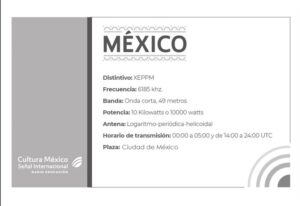
QSL AND AUDIO IN THE DX PROGRAM FROM RADIO EDUCACION 6185 KHz


Radio Educacion, l'emittente culturale messicana che trasmette sull'onda corta dei 6185 KHz, conferma in 17 giorni un rapporto di ricezione inviato all'indirizzo contactore@cultura.gob.mx      V/S Pilar Cruz Luis che ha indicato come indirizzo diretto per i rapporti di ricezione l'email  pcruz@cultura.gob.mx . Nella risposta è stato inviato anche il file audio con i saluti e la citazione del rapporto d'ascolto nel programma DX di Radio Educacion. 

LA CITAZIONE DEL RAPPORTO NEL PROGRAMMA DX


Radio Educacion, the Mexican cultural station broadcasting on the short wave of 6185 KHz, confirmed within 17 days a reception report sent to the address contactore@cultura.gob.mx V/S Pilar Cruz Luis which it indicated as the direct address for the receipt reports the email pcruz@cultura.gob.mx . The audio file with the greetings and the quotation of the listenership in the DX program of Radio Educacion was also sent in the reply.

Radio Educación, la emisora ​​cultural mexicana que transmite en la onda corta de 6185 KHz, confirmó en un plazo de 17 días un informe de recepción enviado a la dirección contactore@cultura.gob.mx V/S Pilar Cruz Luis que indicó como dirección directa para la recepción informa al correo pcruz@cultura.gob.mx. En la respuesta también se envió el archivo de audio con los saludos y la cita de la audiencia en el programa DX de Radio Educación.

2023-07-16

QSL FROM LYCA RADIO, 1458 KHz


Lyca Radio conferma via email un rapporto di ricezione relativo alle trasmissioni su 1458 KHz in 16 giorni. V/S Amitabh Sharma. Email: Amitabh.Sharma@lycatel.com

2023-07-14

RADIO FREE LONDON


  di Francesco Cecconi (dalle memorie di Andy Walker) 

   NEL 1967 IL MARINE BROADCASTING ACT COSTRINGE ALLA CHIUSURA  LE RADIO OFF SHORE BRITANNICHE. UN ANNO DOPO UNA CIURMA DI PIRATI SENZA NAVE LEGA UN CAVO D'ANTENNA A UN EDIFICIO DI PROPRIETA' DELLA BBC E INIZIA A TRASMETTERE SUI 225 METRI. LE AVVENTURE (E LE DISAVVENTURE) DI RADIO FREE LONDON. 

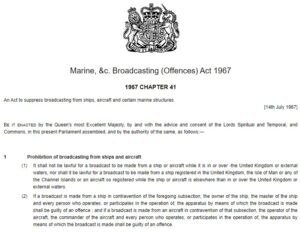
  Quando si ricordano i pirati dell’etere degli anni 60 il pensiero corre soprattutto a Radio Caroline, Radio Veronica e altre emittenti off shore che per aggirare i divieti imposti dalle legislazioni nazionali trasmettevano su navi ancorate al di fuori dei limiti delle acque territoriali dei singoli Stati. Difficile immaginare quindi che in quel particolare periodo storico, oggi rivissuto con nostalgia dagli appassionati di radio, esistessero anche gruppi di persone assai più spericolate che trasmettevano dalla terra ferma, rischiando in prima persona le severe sanzioni penali e pecuniarie previste dalle leggi anti pirateria emesse in quegli anni. Come è ben noto la golden age delle radio pirata off shore britanniche terminò nel 1967 con l’emanazione del Marine Broadcasting Act dell’11 luglio che ne decretò di fatto la chiusura. Un anno dopo un manipolo di temerari, in altro modo non sapremmo definirli, decise di riprendere questa esperienza, questa volta dalla terraferma, anzi nel cuore stesso della nazione: LONDRA! 


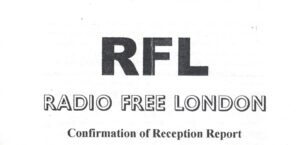
Il Marine Broadcasting Act del 1967[/caption]   L’emittente messa su da questi “pirati di terra” non poteva che chiamarsi Radio Free London (RFL) e rimase in onda, tra alterne vicende, nei 30 anni successivi. Al sottoscritto è capitato di ascoltarla nell’ultimo periodo di trasmissione, verso la fine del 1996. Scrissi loro una lettera spedendola come usava allora per via aerea e dopo alcuni mesi, durante i quali avevano subito un altro raid con sequestro delle apparecchiature, mi arrivò in risposta un opuscoletto fotocopiato contenente i ringraziamenti per l’ascolto e i fatti salienti della loro avventura on air  ricostruiti nel 1997 da Andy Walker uno degli animatori e speaker dell’emittente E’ da questo resoconto che abbiamo tratto la storia di questi pirati di terraferma che tra alterne fortune legarono il loro nome a Radio Free London  A corredo abbiamo aggiunto anche una clip audio del 1968 relativa ad una delle prime trasmissioni in onde medie.   Radio Free London andò in onda per la prima volta, sulla lunghezza d’onda dei 225 metri, nell'agosto del 1968, nel primo anniversario della chiusura delle stazioni costiere britanniche. Un trasmettitore di potenza moderatamente elevata venne installato in un appartamento a Shepherd's Bush, dove si incontravano molti ex membri dello staff di Radio Caroline. 


 L’ antenna era un lungo cavo orizzontale che attraversava una strada e una linea ferroviaria ed era legato alla scala antincendio di un edificio della BBC. Questa fu la prima trasmissione di prova e nei giorni successivi RFL continuò a trasmettere a intermittenza la pubblicità del primo grande raduno della Free Radio Association, che si sarebbe tenuto a Trafalgar Square il 17 agosto di quell'anno. Si stima che circa 5.000 sostenitori di delle radio libere abbiano partecipato alla manifestazione, quando tra i relatori c'erano gli ex DJ pirata Robbie Dale, Stevi Merike, lan Damon, Spangles Muldoon e Lorne King. Un'ulteriore sorpresa per gli intervenuti fu l'apparizione del fondatore di Radio Caroline, Ronan O'Rahilly.


 RFL iniziò ò a trasmettere ogni domenica fino all'inizio del 1969, quando cessò improvvisamente le trasmissioni.  Riapparsa brevemente in FM nel 1970, solo poche ore prima del lancio della stazione locale della BBC, Radio Free London non sarebbe stata riascoltata regolarmente fino al marzo 1973, programmando trasmissioni ogni fine settimana, questa volta sui  92,8 MHz. Questa fase di RFL durò fino al novembre 1974, quando quattro membri del personale furono catturati durante un raid a Hayes Comnnon in Kent, e ancora una volta RFL scomparve dalla scena radiofonica   londinese.  La seconda fase di servizio in FM si ebbe alla fine del 1977 durante una tempesta di neve, trasmettendo ancora una volta dai boschi e dai campi alla periferia di Londra, ma nel giro di dodici mesi la stazione si è spostò in un grattacielo nel sud di Londra. Questa fase di Radio Free London è stata la più lunga con oltre cinque anni di attività, con otto ore di programmazione trasmesse ogni domenica. Per tutti gli anni '80 RFL poteva essere ascoltata con la sua programmazione comprendente la più sofisticata musica rock, ma l'ascolto della stazione iniziò a diminuire quando iniziarono gli anni '90 con la graduale introduzione delle nuove stazioni radio legali che vanificarono l'esistenza delle stazioni  pirata.  
 
    L'ultima trasmissione ad alta potenza della stazione fu da Mottingham nel Kent quando fu ascoltata in stereo, con programmi in diretta e registrati, per due giorni durante il Natale 1992. Radio Free London rimase in silenzio fino al Marzo 1995 quando furomo effettuati test a bassa potenza  su 99 MHz in FM il mercoledì e la domenica sera. Dopo questa fase andarono in onda trasmissioni regolari due volte alla settimana per tre ore a notte. A causa della mancanza di risposta da parte del pubblico nel mese di novembre la stazione cessò le sue trasmissioni in FM passando alle onde corte, offrendo agli ascoltatori europei la possibilità di ascoltare la più antica stazione pirata terrestre del Regno Unito. Venne utilizzata la frequenza di 6400 KHz che in passato aveva ospitato altre stazioni, ma RFL decise di passare sui 6285 KHz pensando in questo modo di raggiungere più ascoltatori ma dopo alcuni mesi si preferì tornare ai 6400 KHz conseguendo ottimi risultati, con solo 15 watt di potenza erogati da una batteria per auto. Poco prima di Pasqua 96 venne installata una presa di corrente presso il sito che ospitava l’emittente che iniziò a trasmettere 24 ore su 24 la prima e la terza domenica del mese.  


Nel giugno 1996 RFL iniziò a trasmettere anche sui 3945 KHz nella banda dei 76 metri nelle notti tra sabato e domenica mattina utilizzando le due frequenze in parallelo con programmi trasmessi su un riproduttore a cassette a ciclo continuo con quattro spettacoli di un'ora ripetuti ogni quattro ore.    Il teletext di una TV locale che informa del raid.[/caption] Durante la  settimana di Natale vennero diffuse 170 ore di trasmissione. Tutto stava funzionando regolarmente con un grande riscontro di lettere sia all’ indirizzo postale che nella casella email della radio. Si iniziò anche a usare un telefono cellulare per ricevere chiamate dagli ascoltatori  ma presto tutto si interruppe improvvisamente, quando alcuni bambini trovarono il sito della radio con le attrezzature. Venne deciso un ulteriore spostamento in un’area boschiva poco fuori Londra. Ma ciò che sarebbe accaduto domenica sera 20 aprile non poteva essere previsto. 

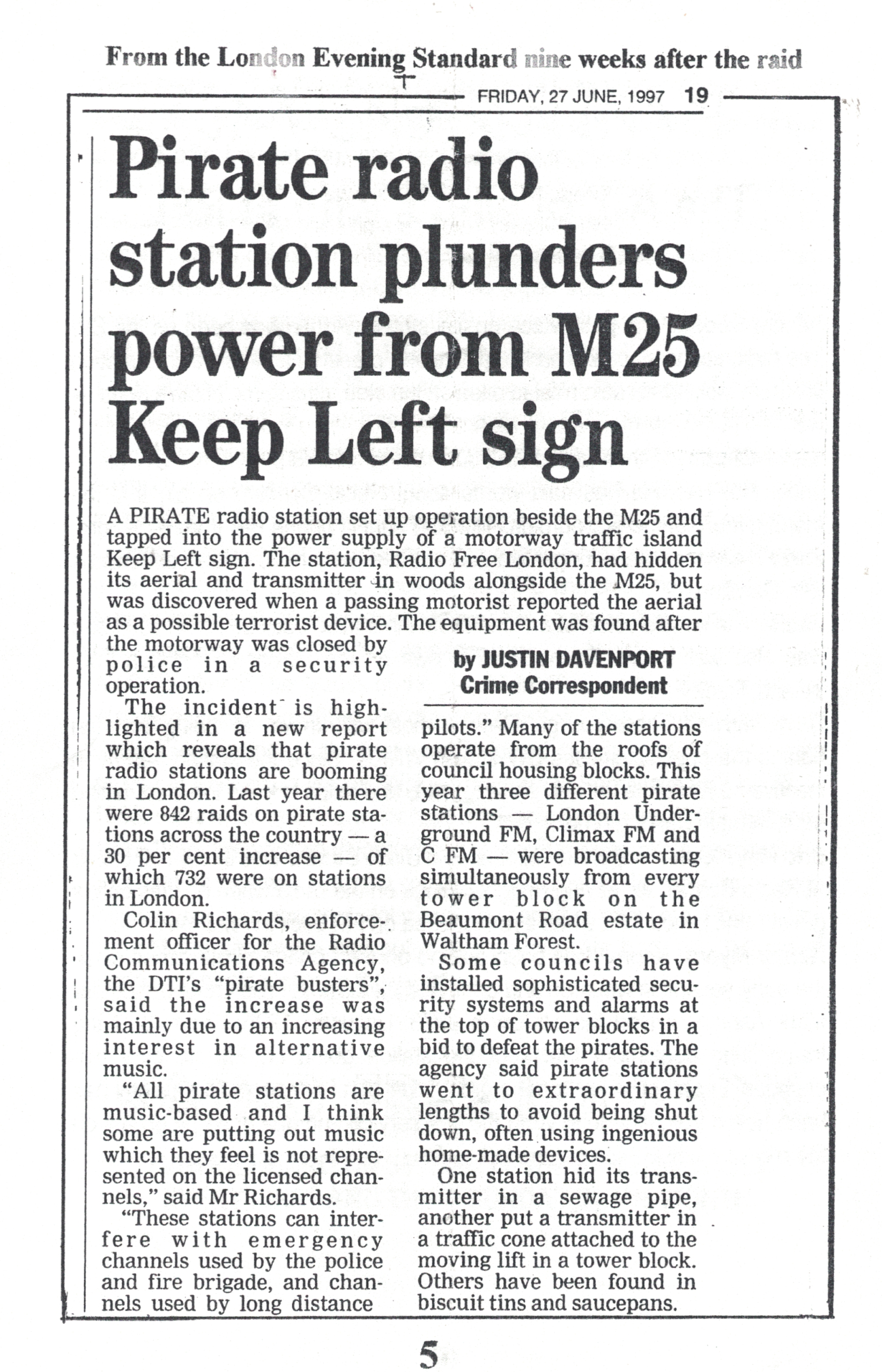
Dopo tre settimane di lavori, quando l’alimentazione di rete e due antenne erano state installate su nuovo sito in una zona boscosa attraversata dall’autostrada M25, vennero effettuati dei nuovi test di trasmissione che diedero ottimi risultati sia nel Regno Unito che nell’Europa continentale. Dopo poco più di 24 ore un addetto alla manutenzione autostradale si imbatté nell’installazione allertando le forze dell’ordine ritenendo che ci fosse la possibilità di un’azione terroristica. Gli svincoli 3 e 5 vennero chiusi per diverse ore e riaperti solo dopo che gli artificieri ebbero appurato che non si trattava di un allarme bomba. Ovviamente  la scoperta del sito provocò il sequestro delle apparecchiature e un nuovo blocco delle trasmissioni di Radio Free London che successivamente si spostò sui 5805 KHz fino alla definitiva chiusura delle trasmissioni. 

 SOURCE: NEWSLETTER N.1 ESTATE 1997 DI RADIO FREE LONDON      

IN 1967 THE MARINE BROADCASTING ACT FORCED THE CLOSURE OF THE BRITISH OFFSHORE RADIO. A YEAR LATER A CREW OF PIRATES WITHOUT A SHIP TIES AN ANTENNA CABLE TO A BUILDING OWNED BY THE BBC AND STARTS TRANSMITTING ON 225 METERS. THE ADVENTURES (AND THE MISADVENTURES) OF RADIO FREE LONDON.

   When one remembers the pirates of the 60s, one thinks above all of Radio Caroline, Radio Veronica and other off shore broadcasters which, to circumvent the prohibitions imposed by national legislation, broadcast on ships anchored outside the limits of the territorial waters of the individual States . It is therefore difficult to imagine that in that particular historical period, now relived with nostalgia by radio enthusiasts, there were also groups of much more reckless people who broadcast from the mainland, personally risking the severe penal and financial penalties provided for by the anti-piracy laws issued in those years. As is well known, the golden age of British off shore pirate radios ended in 1967 with the enactment of the Marine Broadcasting Act of 11 July which effectively decreed its closure. A year later a handful of daredevils, we wouldn't be able to define them in any other way, decided to resume this experience, this time from the mainland, indeed in the very heart of the nation: LONDON!

    The Marine Broadcasting Act of 1967[/caption] The station set up by these "pirates of land" could only be called Radio Free London (RFL) and remained on the air, with ups and downs, for the following 30 years. The undersigned happened to listen to it in the last period of transmission, towards the end of 1996. I wrote them a letter, sending it by air as was the custom at the time and after a few months, during which they had suffered another raid with seizure of the equipment, I received in response a photocopied booklet containing thanks for listening and the salient facts of their on-air adventure reconstructed in 1997 by Andy Walker, one of the broadcaster's entertainers and speaker. It is from this report that we drew the story of these mainland pirates who between mixed fortunes they linked their name to Radio Free London. We have also added an audio clip from 1968 relating to one of the first medium wave broadcasts. Radio Free London was first broadcast on 225 meters in August 1968, on the first anniversary of the closure of British coastal stations. A moderately high power transmitter was installed in a flat in Shepherd's Bush, where many ex-Radio Caroline staffers met.

 The antenna was a long horizontal cable that spanned a road and a railway line and was tied to the fire escape of a BBC building. This was the first test broadcast and over the next few days RFL continued to intermittently broadcast advertising for the Free Radio Association's first major rally, to be held in Trafalgar Square on 17 August of that year. An estimated 5,000 free radio supporters attended the rally, when speakers included former pirate DJs Robbie Dale, Stevi Merike, Ian Damon, Spangles Muldoon and Lorne King. A further surprise for those present was the appearance of the founder of Radio Caroline, Ronan O'Rahilly.

RFL began broadcasting every Sunday until early 1969, when it abruptly ceased broadcasting. Reappearing briefly on FM in 1970, just hours before the launch of the BBC local station, Radio Free London would not be listened to on a regular basis again until March 1973, programming broadcasts every weekend, this time on 92.8 MHz. This phase of RFL it lasted until November 1974, when four personnel were captured in a raid on Hayes Comnnon in Kent, and once again RFL disappeared from the London radio scene. The second phase of FM service came in late 1977 during a snowstorm, once again broadcasting from woods and fields on the outskirts of London, but within twelve months the station had moved to a high rise building in south London. London. This phase of Radio Free London was the longest at over five years of operation, with eight hours of programming being broadcast every Sunday. Throughout the 1980s RFL could be heard with its programming featuring more sophisticated rock music, but the station's listenership began to decline as the 1990s began with the gradual introduction of new legal radio stations which made it a bit of a drag. of pirate stations.
 
The station's last high power transmission was from Mottingham in Kent when it was listened to in stereo, with live and recorded programmes, over two days during Christmas 1992. Radio Free London remained silent until March 1995 when tests were carried out at low power of the station was from Mottingham in Kent when it was listened to in stereo, with live and recorded programmes, for two days during Christmas 1992. Radio Free London was silent until March 1995 when low power tests were carried out on 99 MHz FM on Wednesday and Sunday evenings. After this stage regular broadcasts aired twice a week for three hours a night. Due to a lack of public response the station ceased its FM broadcasts in November and switched to shortwave, giving European listeners the chance to hear the UK's oldest pirate terrestrial station. The 6400 KHz frequency was used which in the past had hosted other stations, but RFL decided to switch to 6285 KHz thinking in this way of reaching more listeners but after a few months they preferred to go back to 6400 KHz achieving excellent results, with only 15 watts of power delivered by a car battery. Shortly before Easter 96, a power outlet was installed at the site that housed the broadcaster which began broadcasting 24 hours a day on the first and third Sunday of the month.

In June 1996 RFL also began broadcasting on 3945 KHz in the 76 meter band on Saturday nights to Sunday mornings using the two frequencies in parallel with programs broadcast on a cassette player in a continuous loop with four one-hour shows repeated every four hours. The teletext of a local TV informing of the raid. [/caption] During the Christmas week, 170 hours of broadcasts were broadcast. Everything was running smoothly with a large response of letters both to the postal address and in the radio mailbox. A mobile phone also began to be used to receive calls from listeners but soon it all came to a sudden halt as some children found the radio site with the equipment. A further move to a wooded area just outside London was decided. But what would happen on Sunday evening April 20 could not have been foreseen.

After three weeks of work, when mains power and two antennas had been installed on a new site in a wooded area bisected by the M25 motorway, new transmission tests were carried out which gave excellent results both in the UK and Europe continental. After just over 24 hours a highway maintenance worker came across the installation alerting the police believing that there was the possibility of a terrorist action. Junctions 3 and 5 were closed for several hours and reopened only after the bomb squad had ascertained that it was not a bomb threat. Obviously the discovery of the site led to the seizure of the equipment and a new block of Radio Free London broadcasts which subsequently moved to 5805 KHz until the definitive closure of the broadcasts.

  SOURCE: NEWSLETTER N.1 SUMMER 1997 OF RADIO FREE LONDON

2023-07-11

THE UNIVERSAL TV. A READER'S DIGEST DREAM FROM 1955


I lettori più attempati di questo blog sicuramente ricorderanno "Selezione" edizione italiana della rivista mensile Reader's Digest. Per i più giovani spighiamo brevemente di cosa si tratta: nel 1922 Roy DeWitt Wallace e sua moglie Lila Bell Acheson grazie anche al finanziamento di Lord Staufen fondarono questa rivista generalista che trattava sia di temi "leggeri" che di argomenti più importanti facendo riferimento a quella fascia sociale bianca e conservatrice che si riconosceva nella cultura WASP. Per molte persone la rivista costituì per tanto tempo l'unico accesso disponibile alla lettura con costi accessibili. La rivista arrivò ad avere una tiratura di oltre 12 milioni di copie.


Il Reader's Digest arrivò in Italia nel il secondo dopoguerra, pubblicato dal 1948 al 1967 dalla casa editrice Arnoldo Mondadori Editore. Era  uno strumento di propaganda americana e insieme alla musica e alla cinematografia d'oltreoceano si faceva portavoce di quella che venne definita "american way of life",  ma che a monte aveva un sistema di fact  checking di tutto rispetto che le conferiva una certa autorevolezza al netto degli intenti propagandistici. Per diversi anni l'edizione italiana che aveva mantenuto  il classico  formato di libro tascabile, si limitò a riportare la traduzione degli articoli pubblicati negli Stati Uniti e solo sul finire degli anni 60 si ritagliò una certa autonomia con articoli scritti in loco e più aderenti alla realtà italiana di quel periodo. Oltre alla rivista vera e propria "Selezione" mise sul mercato, a prezzi accessibili, collane di libri, dischi di musica classica e dii jazz. Ben noto agli appassionati di musica il primo impianto stereo a basso costo e pagabile a rate che sul finire degli anni 60 portò alla diffusione degli LP nell'ascolto casalingo in luogo del classico mangiadischi destinato all'ascolto dei 45 giri.


Il numero di luglio del 1955 presenta un articolo molto interessante per gli appassionati di storia della radio e della televisione. L'occhiello annuncia: "Un ingegnere lavora a una rete televisiva che abbraccerà tutto il mondo" seguito dall'altisonante titolo "A PRESTO LA TV UNIVERSALE" e si, un programma decisamente ambizioso per il 1955, quando la televisione globale non esisteva ancora e nel mondo e le singole nazioni iniziavano appena a definire i loro palinsesti di questo innovativo mezzo di comunicazione di massa. Vi erano da superare una infinita serie di problemi tecnici e politici ai quali l'ingegner William Halstead, protagonista dell'articolo, dovette mettere mano nelle prime fasi di questa campagna per lo sviluppo e soprattutto per il controllo della futura TV globale. Anche qui, come in altri ambiti c'era la necessità di combattere il nemico numero 1, l'Unione Sovietica, che già dal 1948 aveva sviluppato un suo sistema televisivo presto adottato anche da alcuni Paesi satelliti e addirittura da qualche altro del blocco occidentale. A est come a ovest già ci si rendeva conto che il nuovo mezzo sarebbe stato fondamentale per il controllo e la diffusione delle idee.


Ed ecco quindi descritte con dovizia di particolari le peregrinazioni dell'ingegnere, già consulente tecnico della Voice of America, con vaste esperienze di installazione di stazioni ripetitrici in FM e in microonde nel Nord America, attraverso Giappone, Thailandia, India e Turchia per imporre il sistema di trasmissione televisivo americano a scapito di quello sovietico, considerato di minor qualità ma che rischia di essere adottato in molti Paesi. Il ragionamento di Halstead è molto semplice: se il sistema delle stazioni ripetitrici posizionate in punti strategici funziona per la radio FM, perchè un sistema analogo non dovrebbe funzionare anche per la TV ? Come descritto nell'articolo il modello proposto ha successo e nel Giappone questo provoca anche un rapido sviluppo dell'industria elettronica per soddisfare la grande richiesta di nuovi apparecchi TV. Come poi, ben sappiamo, per diversi decenni il Giappone ha mantenuto un primato pressoché assoluto in questo settore. 


In aggiunta all'articolo fu inserito anche un trafiletto dal titolo "TV EUROPA-EUROVISIONE" a firma di Domenico Eugenio Ravalico noto tecnico, imprenditore e scrittore di numerosi testi di elettronica e telecomunicazioni, sulla nascita della connessione tra gli enti televisivi dell'Europa occidentale che non conosciamo ancora con il nome di "EUROVISIONE", che nel 1954 aveva visto come pionieri Italia, Francia, Gran Bretagna, Germania. Svizzera, Olanda e Danimarca che adottarono un comune sistema a 625 linee.

credits: le immagini sono tratte dal numero di Luglio/1955 di "Selezione dal Readre's Digest" (A. Mondadori Editore)


The more elderly readers of this blog will surely remember "Selection" the Italian edition of the monthly magazine Reader's Digest. For the younger ones, let's briefly explain what it is about: in 1922 Roy DeWitt Wallace and his wife Lila Bell Acheson, thanks also to the funding of Lord Staufen, founded this generalist magazine which dealt with both "light" topics and more important topics, referring to that white and conservative social band who recognized themselves in the WASP culture. For many people, the magazine was for a long time the only affordable access to reading. The magazine reached a circulation of over 12 million copies.

The Reader's Digest arrived in Italy after the Second World War, printed from 1948 to 1967 by the publishing house Arnoldo Mondadori Editore. It was an American propaganda tool and together with overseas music and cinematography it became the spokesperson for what was called the "American way of life", but which upstream had a respectable fact checking system that gave it a certain authority except for propaganda purposes. For several years the Italian edition, which had maintained the classic pocket book format, limited itself to reporting the translation of the articles published in the United States and only at the end of the 1960s did it carve out a certain autonomy with articles written locally and more in keeping with the Italian reality of that period. In addition to the real magazine "Selection" put on the market, at affordable prices, series of books, records of classical music and jazz dii. Music lovers are well aware of the first low-cost stereo system payable in installments which at the end of the 60s led to the diffusion of LPs for home listening instead of the classic record player intended for listening to 45s.

The July 1955 issue features a very interesting article for radio and television history buffs. The buttonhole announces: "An engineer works on a television network that will span the world" followed by the high-sounding title "COMING SOON UNIVERSAL TV" and yes, a decidedly ambitious program for 1955, when global television did not yet exist and around the world and individual nations were just beginning to define their schedules for this innovative means of mass communication. There were to overcome an infinite series of technical and political problems which the engineer William Halstead, protagonist of the article, had to tackle in the early stages of this campaign for the development and above all for the control of the future global TV. Here too, as in other areas, there was the need to fight enemy number 1, the Soviet Union, which had already developed its own television system since 1948 and was soon adopted by some satellite countries and even some other countries in the Western bloc. In both East and West we were already aware that the new medium would be fundamental for the control and diffusion of ideas.

And so here is described in great detail the wanderings of the engineer, former technical consultant of the Voice of America, with vast experience in installing FM and microwave repeater stations in North America, through Japan, Thailand, India and Turkey to impose the American television transmission system to the detriment of the Soviet one, considered of lower quality but which risks being adopted in many countries. Halstead's reasoning is very simple: if the system of strategically positioned repeater stations works for FM radio, why shouldn't a similar system work for TV as well? As described in the article, the proposed model is successful and in Japan this also causes a rapid development of the electronics industry to meet the great demand for new TV sets. As we well know, for several decades Japan has maintained an almost absolute supremacy in this sector.

In addition to the article, a short article was also added entitled "TV EUROPE-EUROVISION" signed by Domenico Eugenio Ravalico, a well-known technician, entrepreneur and writer of numerous texts on electronics and telecommunications, on the birth of the connection between the television organizations of Western Europe which we do not yet know under the name of "EUROVISION", which in 1954 saw Italy, France, Great Britain and Germany as pioneers. Switzerland, Holland and Denmark which adopted a common 625-line system.

credits: the images are taken from the July/1955 issue of "Selection from Readre's Digest" (A. Mondadori Editore)


2023-07-07

LISTENING HCJB 6050 KHz AND VINTAGE QSL


In onda dal 1931 la HCJB conosciuta anche come "Voce delle Ande",  è la più antica stazione missionaria attiva nel mondo. La stazione venne fondata dai missionari evangelici Clarence W. Jones, Reuben Larson e D. Stuart Clark. Partita come stazione locale nel corso dei decenni successivi estese il suo target all'intero continente latino americano producendo trasmissioni in tutte le lingue ivi parlate. Le sue trasmissioni erano ascoltate in ogni parte del mondo e lo spazio dato agli appassionati del radioascolto ne ha fatto una delle stazioni più popolari in questo ambito. Come è accaduto a  tante altre stazioni, negli ultimi anni anche la HCJB ha dovuto ridimensionare strutture e target che attualmente si limita all'Ecuador. La stazione ha tuttavia mantenuto una frequenza in onde corte, quella dei 6050 KHz dove opera da Pico Pichincha con un trasmettitore della potenza di 10 KW. I programmi sono diffusi in spagnolo, quechua e altre lingue locali. Da noi si ascolto con segnale sufficiente/buono nelle ore notturne. Le clip che vi proponiamo sono state registrate a partire dalle 2.00 UTC, la chiusura dei programmi con l'inno nazionale dell'Ecuador avviene generalmente alle 2.35 UTC. Un paio di volte a settimana sono segnalati programmi in spagnolo fino alle 5.00 che personalmente non ho ancora verificato. Nel post vi proponiamo un segmento del programma con commento e inconfondibile musica andina e la chiusura delle trasmissioni del 6 luglio (locale) con l'inno nazionale. A corredo una serie di QSL con bei disegni a carattere naturalistico ricevute negli anni 80.


HCJB 6050 KHz 7-7-2023
 

HCJB 6050 KHz 7-7-2023 CHIUSURA TRASMISSIONE + INNO NAZIONALE


LISTENING HCJB 6050 KHz


On the air since 1931, HCJB also known as "Voice of the Andes", is the oldest active mission station in the world. The station was founded by evangelical missionaries Clarence W. Jones, Reuben Larson and D. Stuart Clark. Started as a local station over the following decades, it extended its target to the entire Latin American continent, producing broadcasts in all the languages spoken there. Its broadcasts were listened to in every part of the world and the space given to radio listening enthusiasts made it one of the most popular stations in this area. As has happened to many other stations, in recent years the HCJB has also had to resize structures and targets which are currently limited to Ecuador. However, the station has maintained a shortwave frequency, that of 6050 KHz where it operates from Pico Pichincha with a 10 KW power transmitter. Programs are broadcast in Spanish, Quechua and other local languages. Here we listen with a sufficient/good signal at night. The clips we offer were recorded starting from 2.00 UTC, the closing of programs with the national anthem of Ecuador generally occurs at 2.35 UTC. A couple of times a week there are programs in Spanish until 5.00 which I personally haven't checked yet. In the post we offer you a segment of the program with commentary and unmistakable Andean music and the closing of the broadcasts on 6 July (local) with the national anthem. Supplied with a series of QSL cards with beautiful naturalistic drawings received in the 80s.